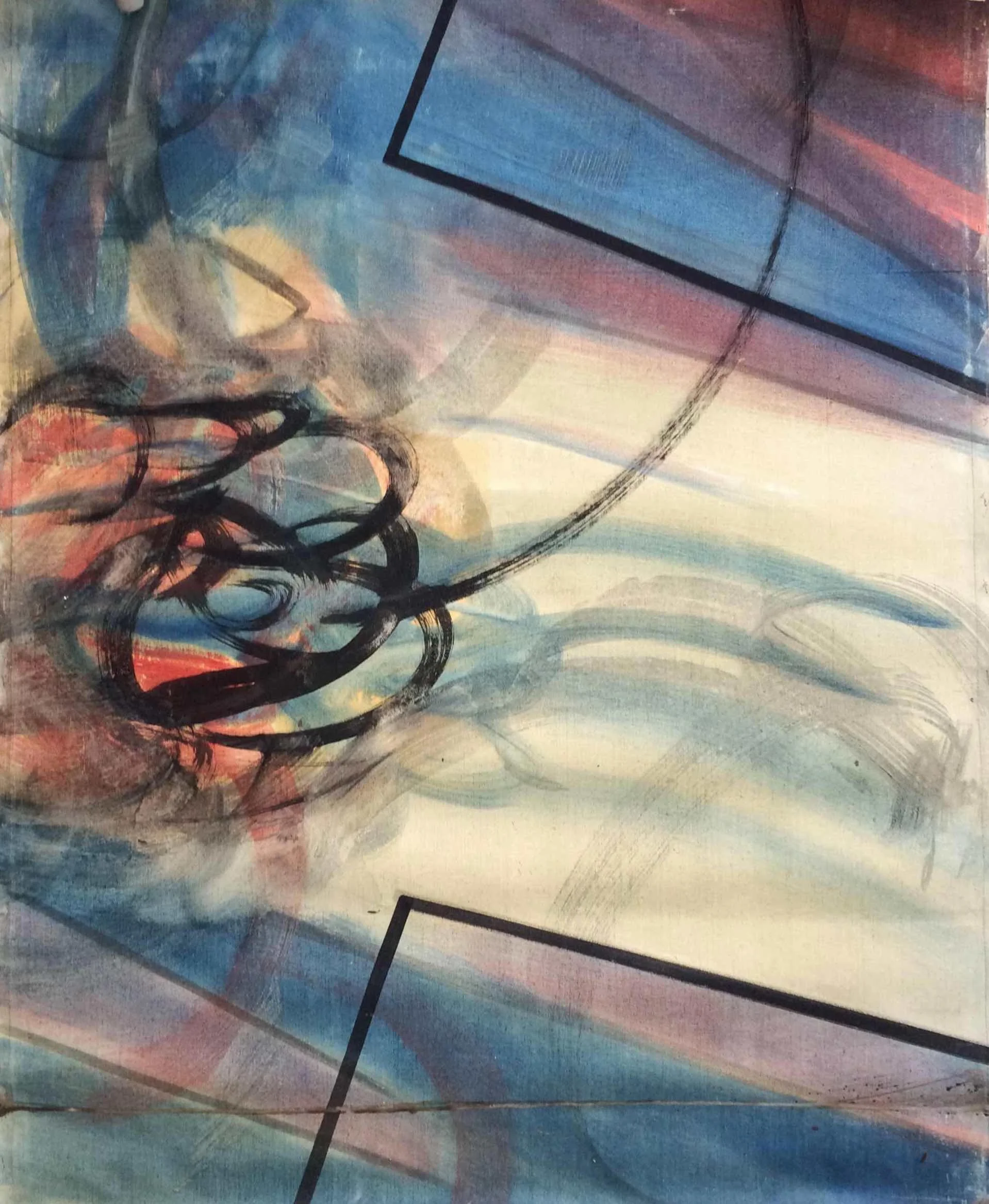
Opposition
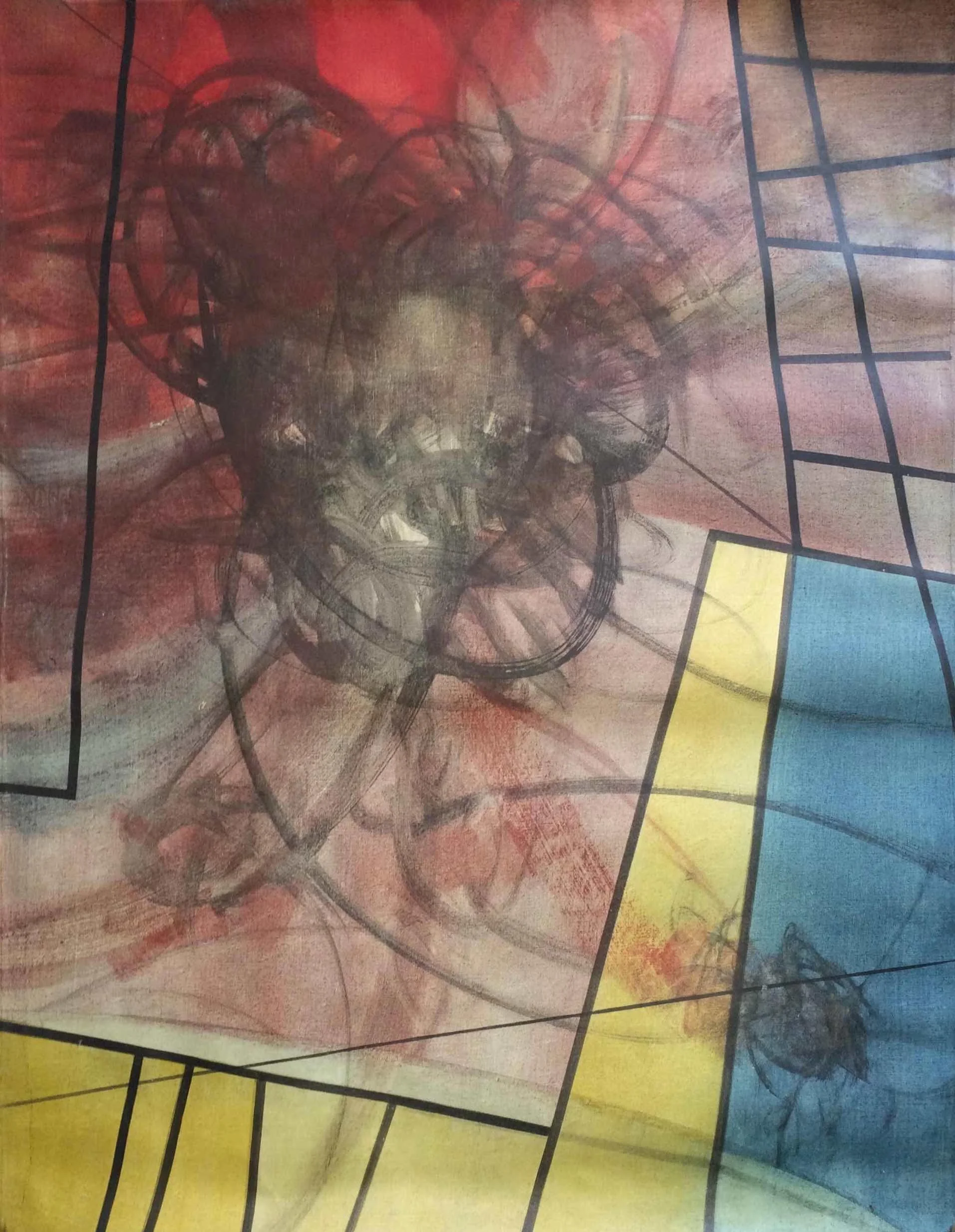
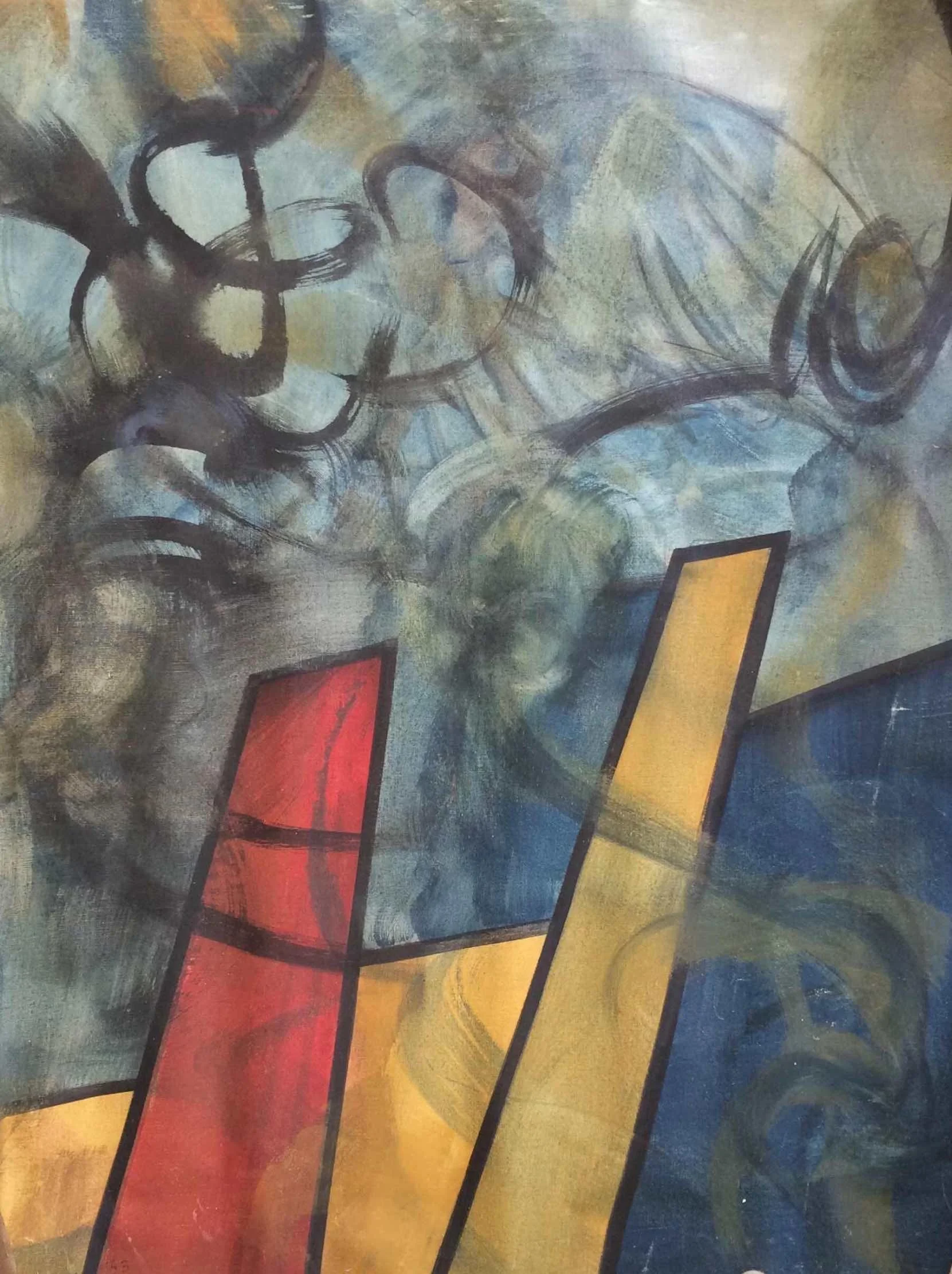
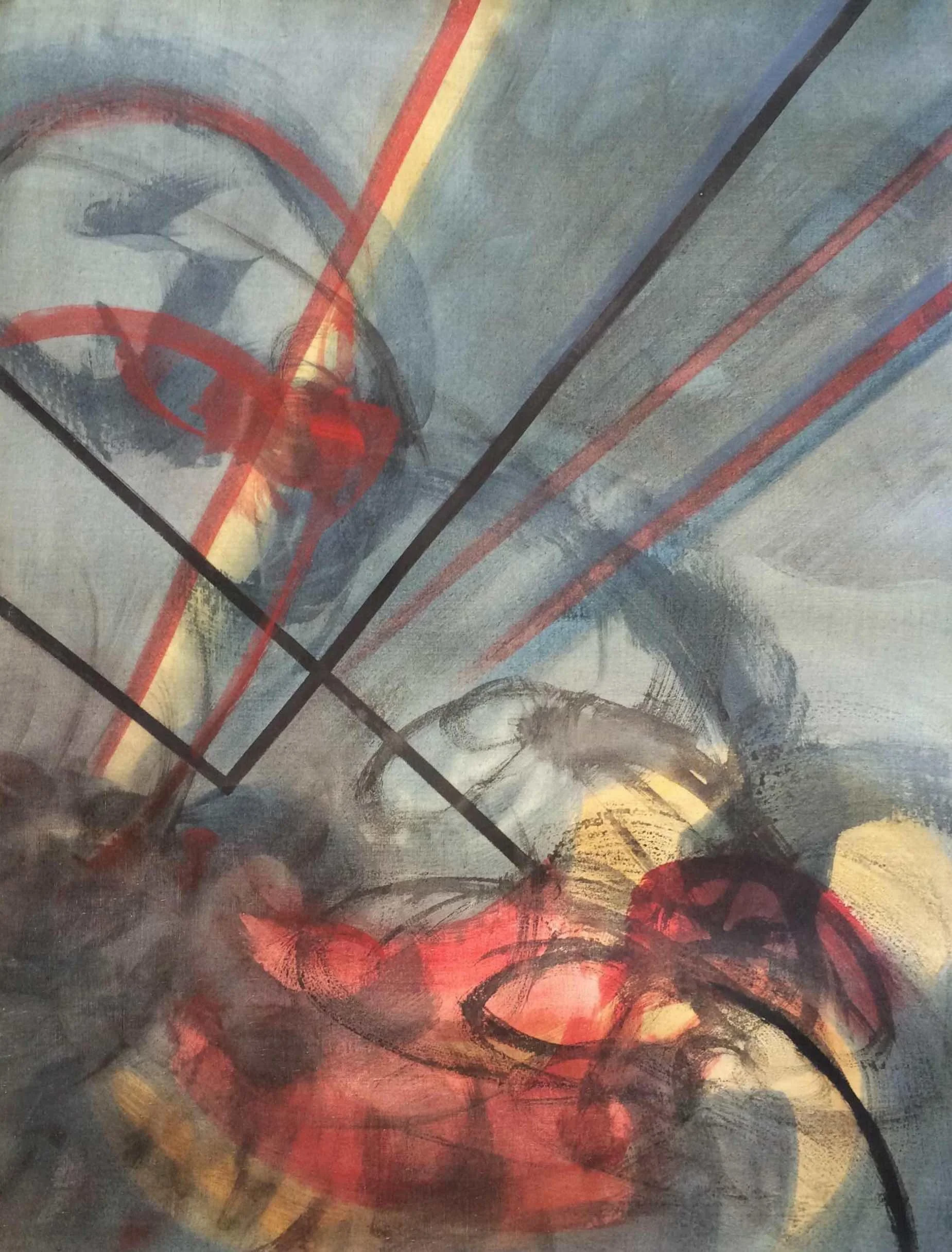
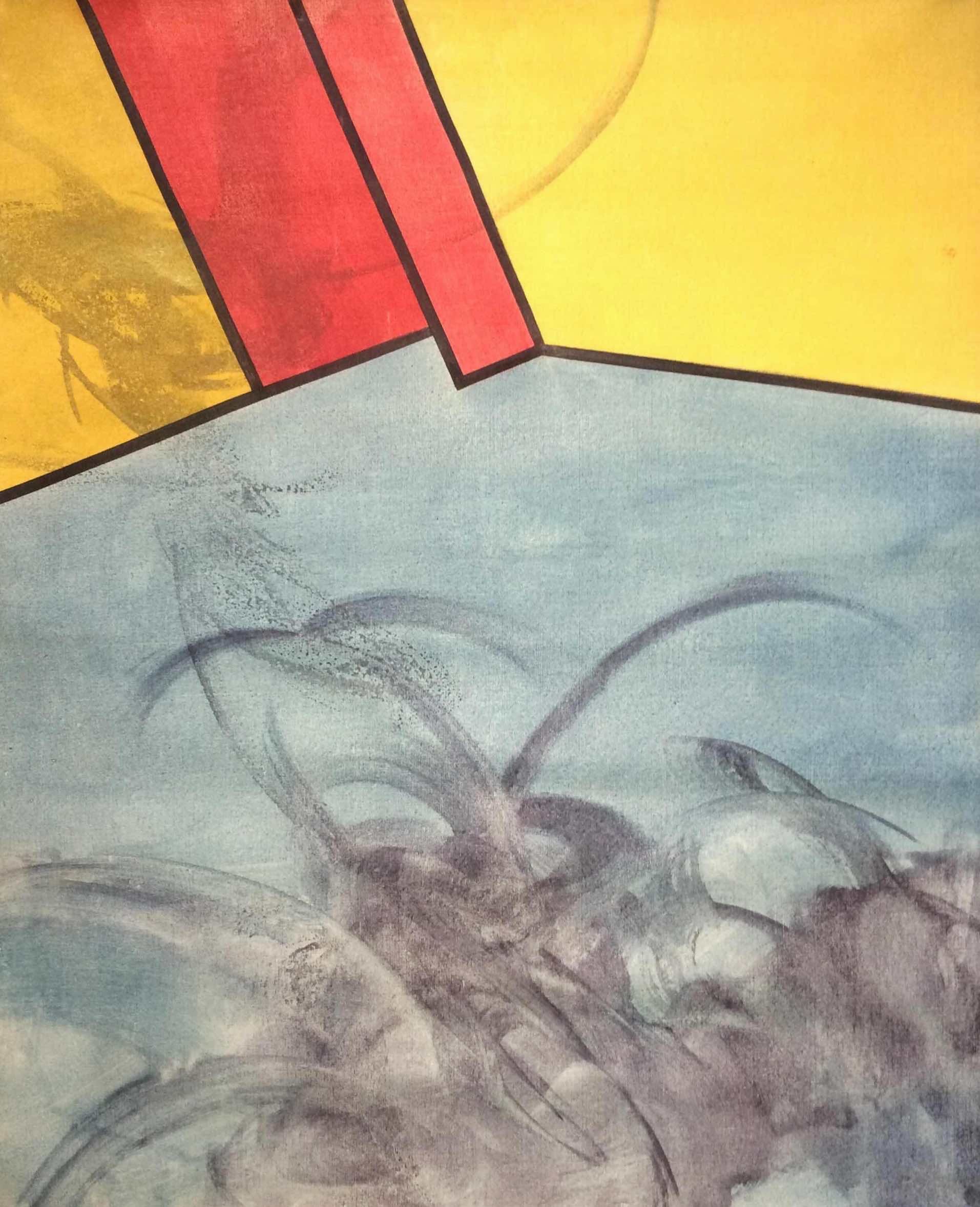
Following the Spoutnik works of the late 1950s, Hans Zandvoort moved increasingly toward abstraction. He called this body of work Opposition.
In 1966, his work was described in terms of an opposition between “constructed and considered” forms and “chaotic and instinctive” forms in an attempt to integrate abstraction and figuration.
In the years following Spoutnik, recognizable structures increasingly gave way to overlapping forms, lines and fields of color. By 1966, Zandvoort’s work was described in terms of “constructed and considered” forms set against “chaotic and instinctive” forms, in an attempt to integrate abstraction and figuration.
Between structure and instinct
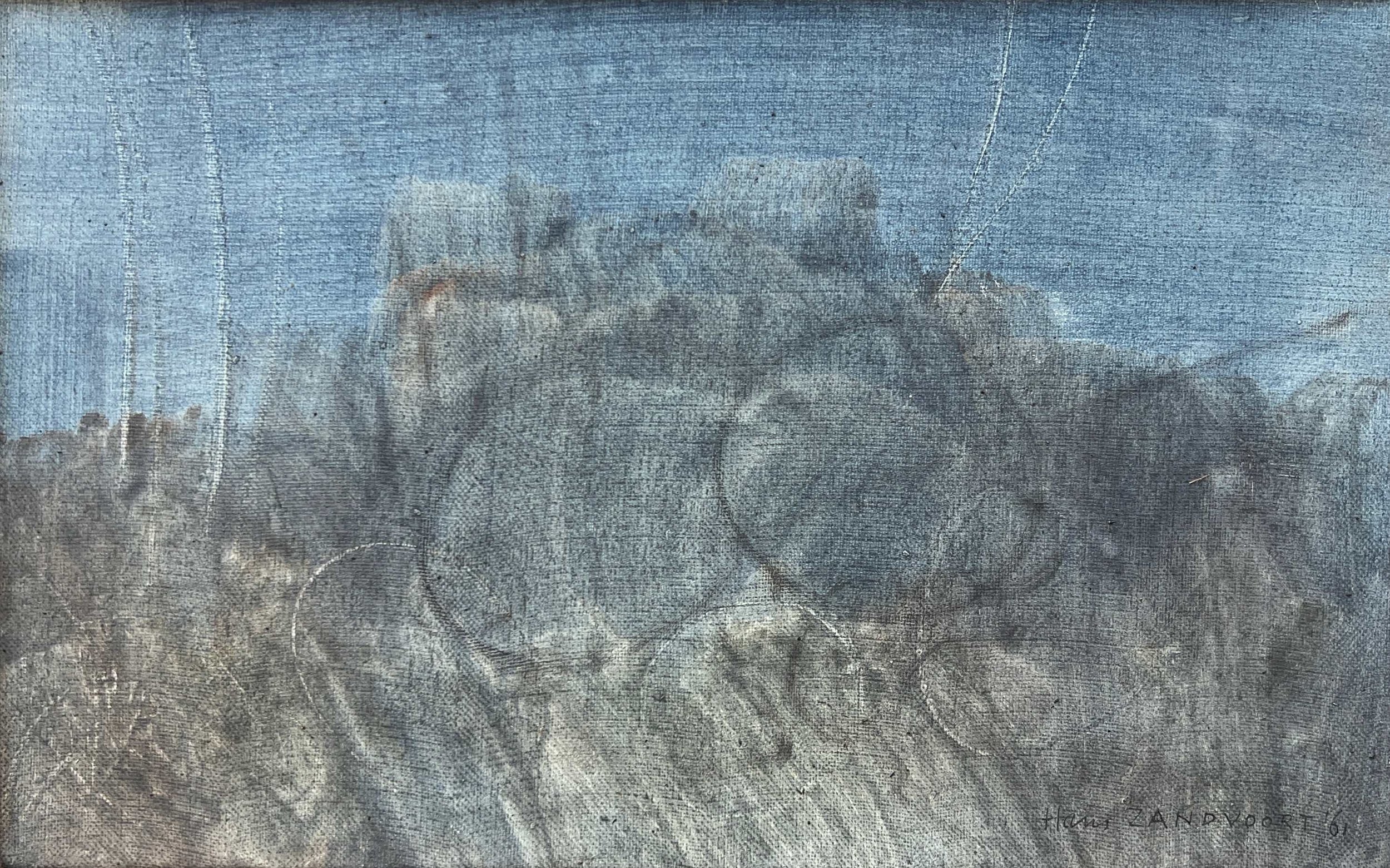
Hans Zandvoort
1961
Acrylic on canvas
23 × 36 cm
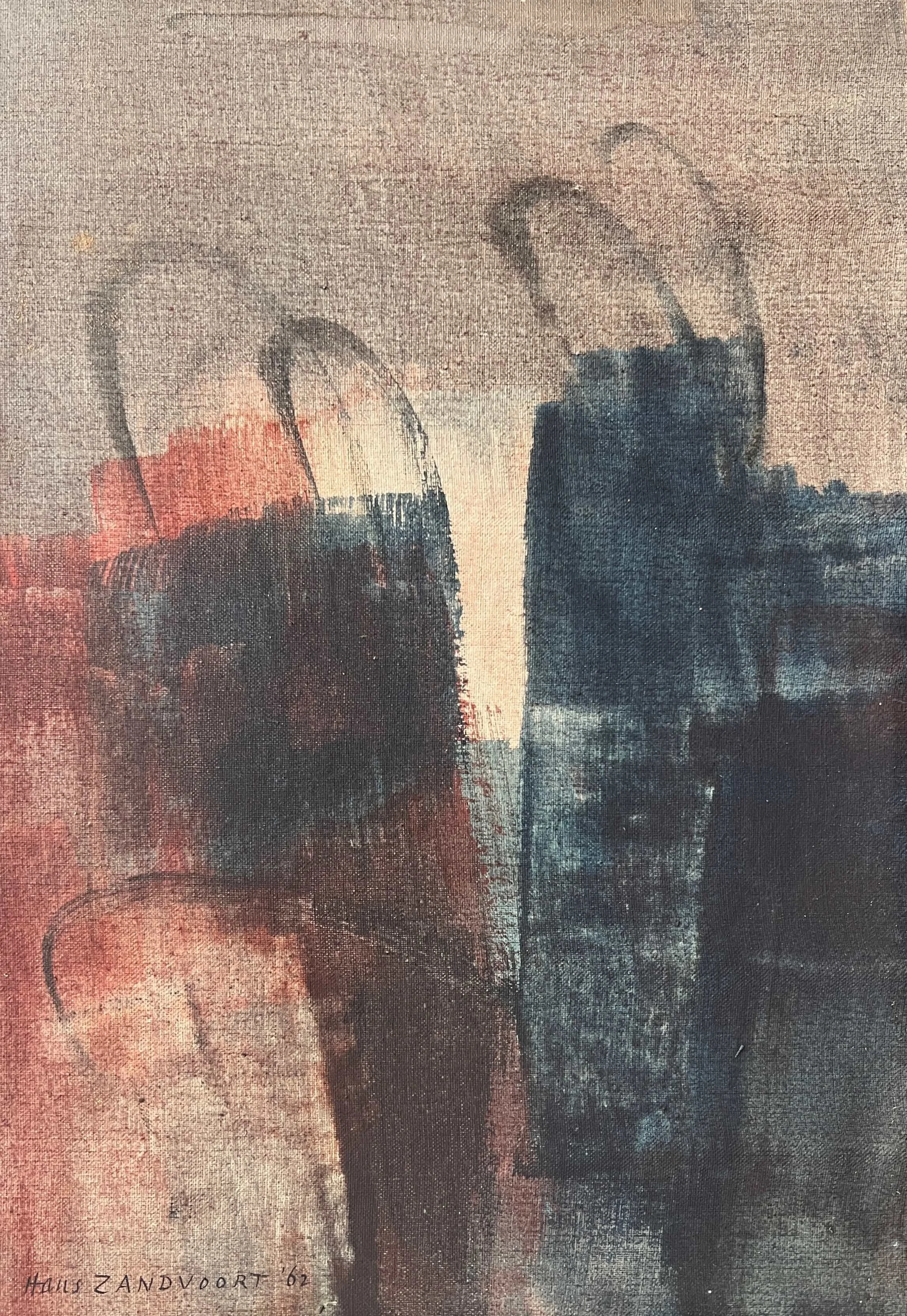
Hans Zandvoort
1962
Acrylic on canvas
51 × 36 cm
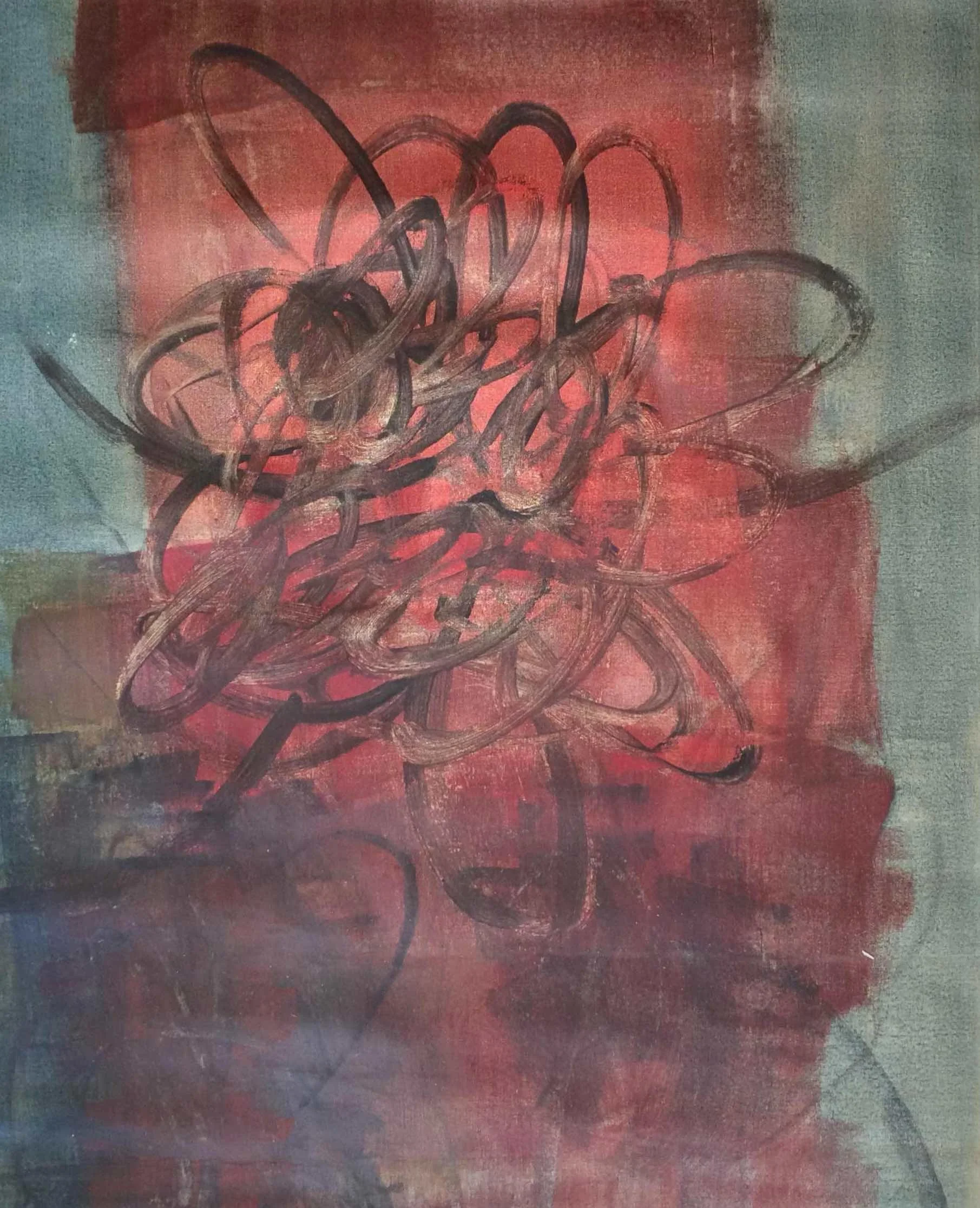
Hans Zandvoort
Acrylic on canvas
36 × 52 cm
Hans Zandvoort
Acrylic on canvas
Approx. 36 × 52 cm
Hans Zandvoort
Acrylic on canvas
Approx. 36 × 52 cm
Hans Zandvoort
Acrylic on canvas
52 × 36 cm
Hans Zandvoort
Acrylic on canvas
Approx. 52 × 33 cm
Over the following decades, Zandvoort continued to explore the relationship between gestural and constructed form. In his later work, that investigation developed into what he described as a “neo-anamorphic” approach to painting.